PR · This guide contains affiliate links. If you sign up through them, we may earn a fee at no extra cost to you.
CompareCheapest ways to send money home from Japan
Compare the transfer fee and the exchange-rate markup together. A "fee-free" transfer can still cost a lot through a poor rate.
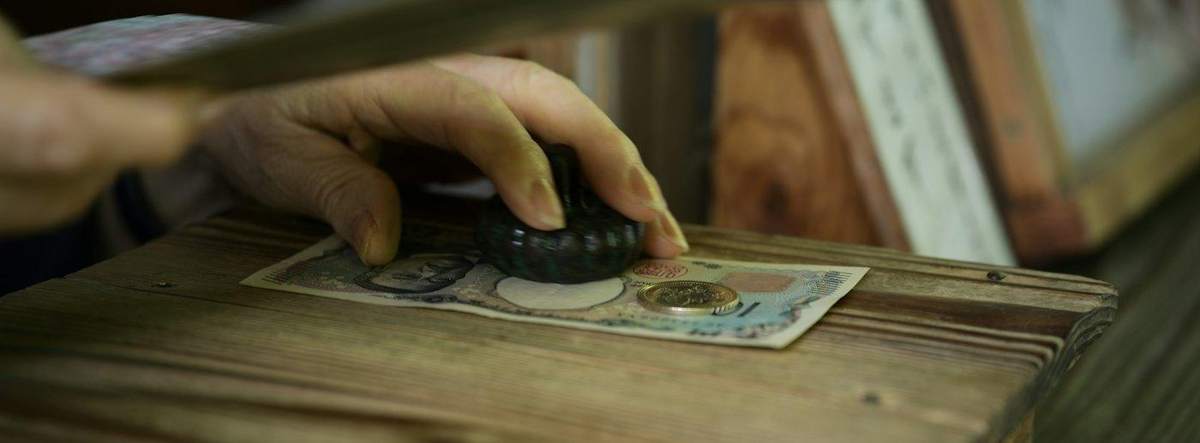
Two costs, one visible
- Transfer fee: the amount shown on screen.
- Exchange-rate markup: you get a worse rate than the real market rate. It isn't shown, so it's easy to miss.
Major bank counters are reported to add 1.5–3% to the rate on top of a fixed fee for each transfer (Modern Living Japan).
Rates change every day, so a table here would be out of date by tomorrow. Before each transfer, put the same amount into each service's calculator and compare how much your family receives.
Main options
| Option | Notes | Good for |
|---|---|---|
| Wise | Uses the mid-market rate and shows the fee; regulated by the Kanto Local Finance Bureau | Sending to bank accounts in Europe, the Americas and Asia |
| PayForex | Focused on Asia; partners with banks in Nepal (press release) | Families in Nepal and other Asian countries |
| Seven Bank | Send from 7-Eleven ATMs or online. Your family picks up cash at Western Union agents in about 200 countries, no bank account needed. Website in 9 languages including Vietnamese | Families without a bank account |
| Bank counters | Familiar, but costs more | Large one-off amounts |
Before you send
- Residence card
- Your My Number (overseas transfers require it)
- The recipient's name, bank, account number and SWIFT code
Never use these
Unlicensed "underground" transfers, or asking someone to carry cash, are illegal in Japan, and your money is not protected if it disappears (e-Housing). Always use a registered company.
In your first six months, transfers from a bank account may be limited. See bank accounts.
Card applications often fail right after you arrive because you have no credit history in Japan. Use a debit card first, then apply for...
Read the guide